

Vibe Cloning
Copying your product is too easy with AI

In the old days (around 12 months ago), building software was hard. It was so hard, in fact, that simply building your product was a competitive advantage. If you had better features, a better interface or more integrations you could win in your market.
Today, building software is easy. AI codegen/vibe coding (or whatever you call it) means that non-technical folks can build in hours what used to take teams of skills engineers weeks. Entire products can be built in a day!
The future certainly is a weird place to live.
This shift has had many impacts, but one of the most important is the competitive landscape. It used to be simple to track your competitors, understand their products and compare your capabilities. Now, they can copy your best features over a weekend.
The era of Vibe Cloning is upon us.
Quality Doesn’t Matter
I spent 30 minutes with Claude Code and vibe cloned (copied) the Salesforce CRM product. Evidence below:
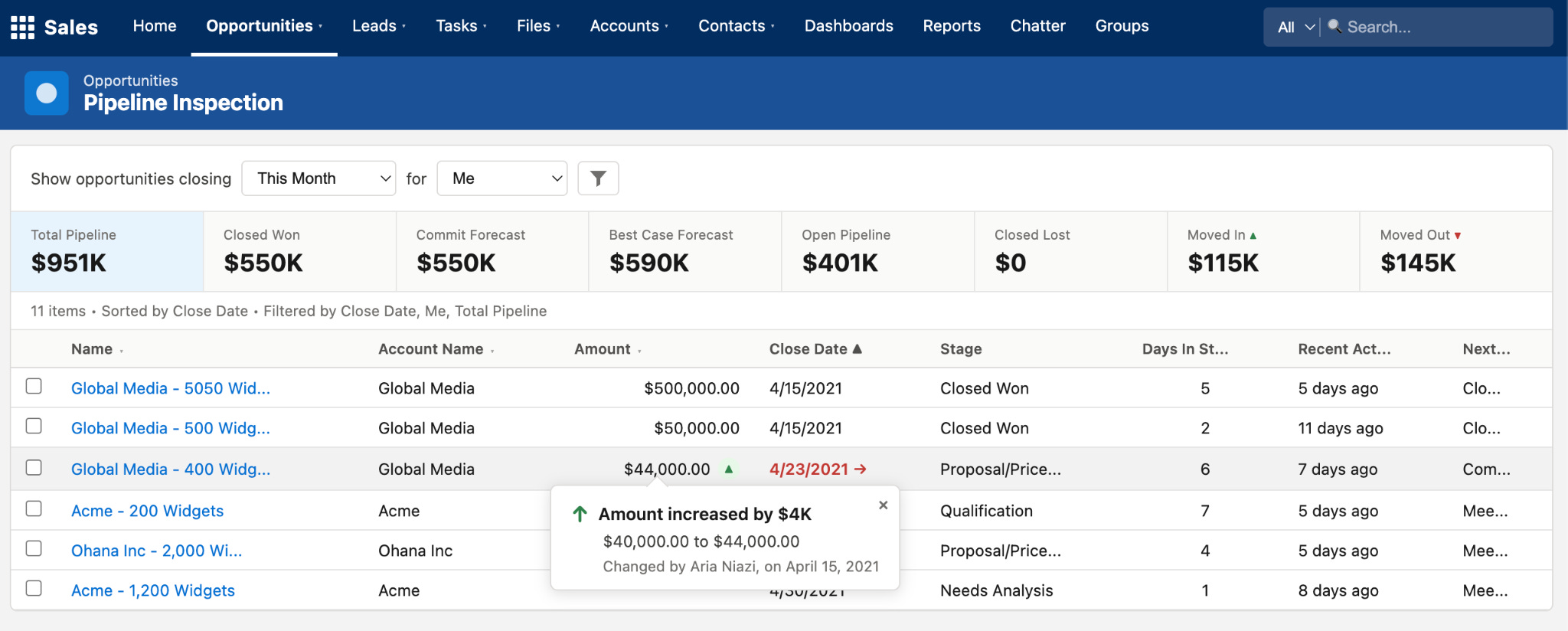
Does it work? You have no way to know without trying it. Is it better or worse than Salesforce? Again, you need to try it.
It doesn’t matter that the vibe clones aren’t as good as your product because that is only something a customer will realize AFTER using it. By then they have already invested time and effort.
This is the core problem with Vibe Cloning. It’s possible to create something that looks exactly like your product/feature quickly but it’s very hard to figure out if it’s real.
Worse, what if the difference is subtle? What if they will only realize the difference after a few months? Differences like scale and reliability might not be apparent for a while, long after a customer has already made a buying decision.
You are no longer competing with real products. You are now competing with facades, mirages and ghosts. All of them can confuse customers, lengthen sales cycles and reduce prices.
The Zombie Hordes
“But my product quality will shine through!” You say. Customers will realize your product is better, and word of mouth will prevail. Maybe you’ll have the best case studies, or customer referrals. Will all of that evidence help?
Not really. Vibe Cloning isn’t just about the speed of cloning your product, it’s about how many people can do it. If you find any kind of success you aren’t going to have a dozen vibe cloned competitors, you will have thousands.
I called these the “zombie horde”. No specific zombie is very intelligent, but in very large numbers they are a problem. Likewise, none of your vibe cloned competitors might be very impressive on their own but there are too many of them. Their sheer numbers create noise to drown you out.
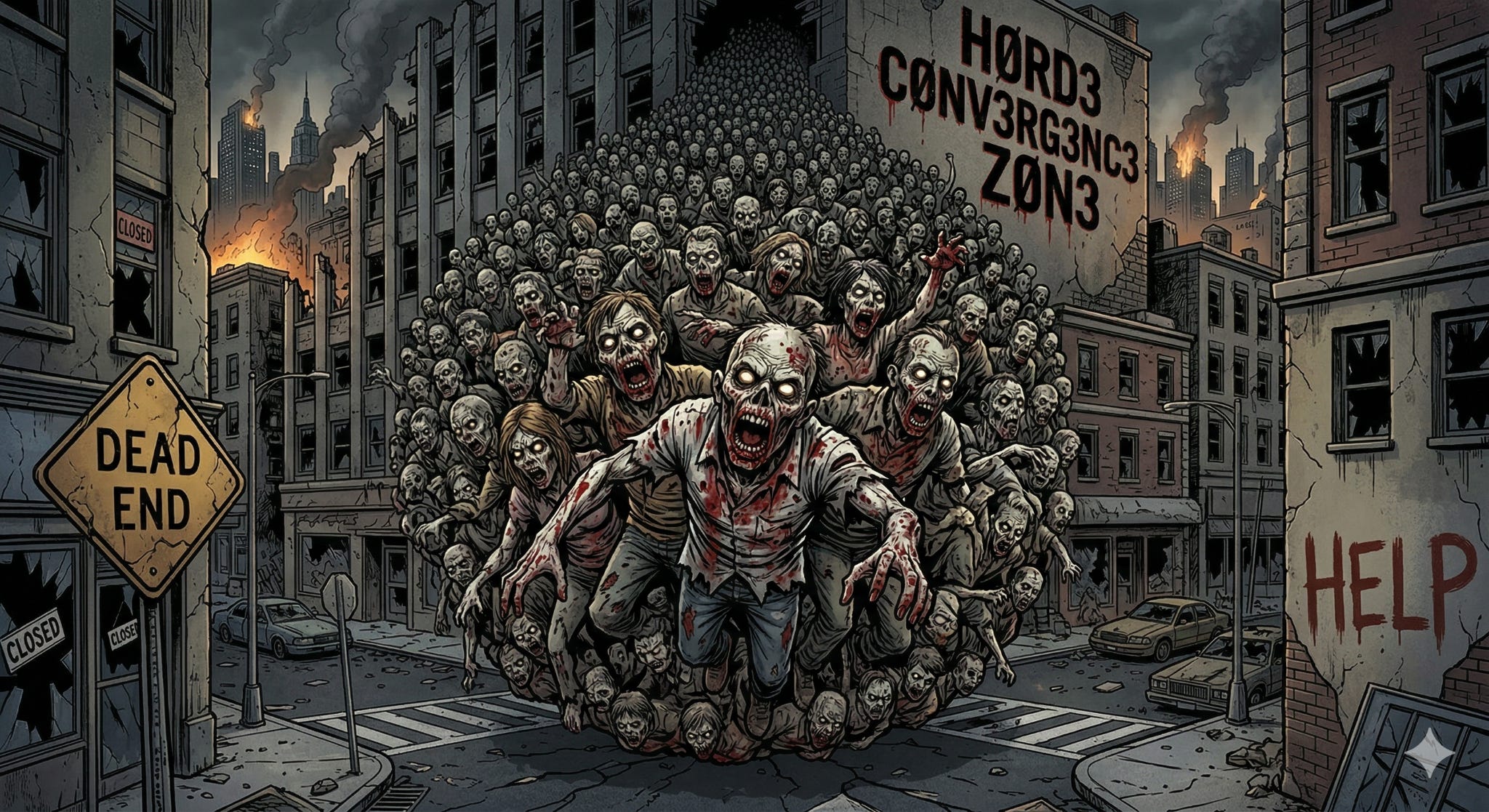
And they will also poison the well. Customers who tried one of the vibe cloned competitors might have a horrible experience and write off your entire category. You never get a chance to prove your product works, because the customers are biased against you. The zombie hordes can touch hundreds of customers in the time it takes you to touch just a few.
You need a different playbook.
How to Win
You don’t win in this new world using the playbook from the old world. Trying to increase your product velocity won’t help, because it’s so fast to vibe clone already. Trying to spend more in marketing won’t work as your voice can never be as loud as thousands of clones.
What you need to do is create a new playbook.
An entirely new approach means you are doing things others are not or cannot. If that’s not product development speed, it needs to be something else that is hard to replicate.
While I can’t tell you how to build a unique playbook for your business, here are some things that might be in your playbook:
Instantaneous Value. Most products require the user to spend time setting them up before they get value. Enterprise products might require months! That is time you no longer have, so can you create value for the customer immediately? With no effort? In their first minute of using the product? It requires a different way of thinking about the customer experience, and the product itself. For example, instead of asking the user to provide a lot of data up front, can you load it for them automatically? Can you make it so easy that it’s just pressing a button? If you can, then they can spend a minute to see that your product is better.
In-person Events. Even in the era of AI, people enjoy meeting in person. While it might be easy to clone your product, it is still very hard to host high-quality in person events. They need to be local, they need to have great attendance by great people and they need to be valuable. If you can do it, customers will see value from you that goes beyond the product and build a deeper connection along the way.
People products. Your product doesn’t start and end with an app, website or API. Your customer support team, your customer success managers and everyone else on your team is part of the product. You can lean into that and ensure every customer thinks of the people on your team as part of their team. That kind of relationship cannot be vibe cloned and the team required to make it happen is very hard to create.
These are just examples, there are many more! In fact, when you put your current playbook aside you have a chance to rethink everything about how customers find you and interact with your product. The best ideas start with what makes your product category different from all others, and what makes your customers different from all others.
Leaning into those differences with unique strategies is the beginning of a new playbook.
The Bottom Line
Vibe cloning makes the competitive landscape more treacherous than ever. Your best product ideas are no longer a moat, they are a bridge for your competition to reach your customers.
While it creates problems for you, it also creates opportunities. If you can succeed, your competitors can be dragged down by the same zombie horde that tried to get you. Survival in this market is a form of competitive advantage.
To survive, you need an entirely new approach. Don’t be a victim of vibe cloning, tackle the problem head on!
Very insightful and practical! Thanks for sharing.
If your product can be cloned in a day, your features aren't the differentiator. Your understanding of whether customers are actually succeeding is.
The companies that win in a world full of clones won't be the ones that ship faster. They'll be the ones that learn faster. The ones who can see customers struggling before they churn. Who catch buying signals buried in product interactions and route them to the right team while the opportunity is still warm.
Features are copyable. Customer intelligence is not. The teams that instrument their AI experiences for outcomes, not just usage, will compound an advantage that no amount of vibe coding can replicate.